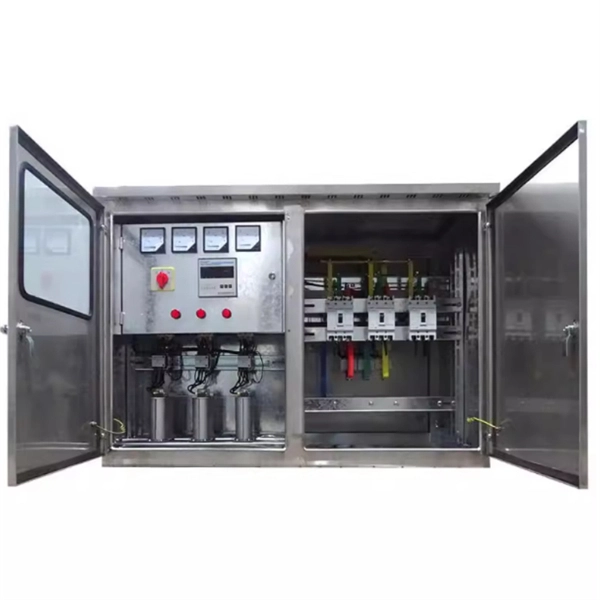
Electrical distribution boxes on construction sites require robust physical protection, proper grounding, GFCI protection, and compliance with IP ratings and safety standards to prevent shocks, fires, and equipment damage.Physical Protection and Environmental Ratings
Distribution boxes must be rugged and durable, capable of withstanding harsh construction environments. They should have at least an IP55 rating, which ensures protection against dust ingress and water jets, safeguarding the equipment from environmental hazards like rain, dust, and debris . Covers and enclosures should be secure and tamper-resistant, preventing accidental contact with live parts .
Grounding and Electrical Safety
Proper grounding is essential. All conductive parts of the distribution box and connected equipment should be grounded to facilitate overcurrent device operation and reduce the risk of electric shock . Grounding conductors should be insulated (typically green) and mechanically protected to match the circuit conductors. The neutral conductor should never be used as a grounding conductor .
Ground Fault Protection
Ground Fault Circuit Interrupters (GFCIs) are critical for personnel safety. Portable or built-in GFCIs protect operators by interrupting the circuit when leakage current exceeds 5 mA, preventing electrocution . GFCIs can be installed as plug-in devices, cord-connected boxes, or attachment plugs, depending on the site setup.
Cable Management and Connections
Cables entering and leaving distribution boxes should pass through insulating bushings to prevent accidental contact with energized parts . Use industrial-grade, waterproof connectors (e.g., IP67 plugs) and modular distribution cabinets to reduce loose wiring and improve reliability . Proper cable selection, such as rubber or H07RN-F cables, ensures flexibility and durability on rough construction terrain . Cable drums can help prevent trip hazards and maintain organized power distribution .
Compliance and Qualified Personnel
All installations must comply with OSHA regulations, NEC standards, and local codes . Only qualified electrical workers should handle installation, maintenance, or modifications of distribution boxes. Equipment should be UL-certified to ensure it meets safety and performance standards .
Summary
To maximize safety on construction sites, electrical distribution boxes should be:
- Physically protected with IP55 or higher enclosures
- Properly grounded with insulated conductors
- Equipped with GFCI protection for personnel safety
- Connected using industrial-grade, waterproof connectors
- Managed with organized cable routing to prevent hazards
- Installed and maintained by qualified personnel in compliance with regulations . These measures collectively reduce the risk of electric shock, fire, equipment failure, and downtime, ensuring a safer construction environment.