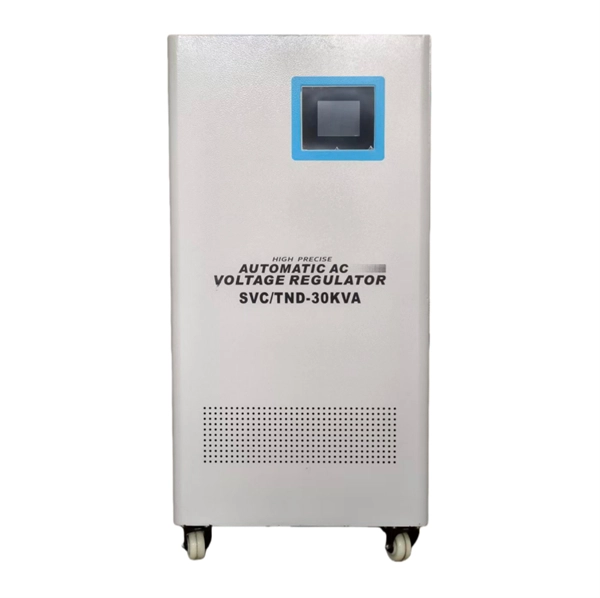
Indoor electrical distribution boxes must comply with IEC 60670-1:2024, BS 7671:2018, and BS EN 61439 standards, ensuring fire resistance, accessibility, proper protection devices, and suitable enclosures.Key Standards
IEC 60670-1:2024 specifies requirements for boxes and enclosures for electrical accessories with rated voltages up to 1,000 V AC and 1,500 V DC for household or similar fixed installations. It covers ambient temperature limits (+40 °C maximum, −5 °C minimum), resistance to abnormal heat and fire, and suitability for indoor use . BS 7671:2018 (UK Wiring Regulations) aligns with IEC standards and provides detailed guidance on installation, accessibility, and safety. Distribution boards must be readily accessible, with recommended mounting heights of 1–1.8 meters for residential units, and 1.3 meters for elderly or handicapped users . Industrial boards typically require IP54 protection and specific mounting dimensions for safe operation . BS EN 61439 defines the design and construction requirements for low-voltage switchgear and controlgear assemblies, including consumer units and distribution boards. Enclosures must meet fire resistance standards and mechanical protection requirements .
Enclosure and Material Requirements
- Non-combustible enclosures are mandatory for modern consumer units, typically metal-clad, to reduce fire hazards .
- Enclosures must comply with BS EN 61439-3 for fire resistance .
- IP/NEMA ratings should match the installation environment: indoor residential boxes often require IP2X or IP4X, while industrial or outdoor boxes may require IP54 or higher .
- Steel enclosures are preferred for durability, while plastic may be used for indoor, low-load applications .
Safety Devices and Protection
- Residual Current Devices (RCDs) are mandatory on all circuits in new installations to prevent electric shocks and reduce fire risks .
- Arc Fault Detection Devices (AFDDs) are recommended in high-risk settings such as HMOs, high-rise buildings, or areas with significant fire hazards .
- Surge Protection Devices (SPDs) are required where overvoltage could damage equipment, with risk assessments guiding their installation in domestic settings .
- Each circuit should have its own protection, including breakers or fuses, and proper labeling is essential for safety and maintenance .
Installation Best Practices
- Install boxes in dry, ventilated, and accessible areas at appropriate heights (~1.5 m for general use) for safe operation and maintenance .
- Maintain adequate clearance around panels for working space as specified in BS 7671 .
- Ensure proper wiring practices, including secure grounding, correct wire gauge, and neat cable management .
- Perform visual inspections and multimeter tests before powering on, and schedule regular maintenance .
- Modular designs are recommended to facilitate future upgrades and compliance with evolving standards .
Compliance and Legal Considerations
- Homeowners and landlords must ensure electrical systems meet current standards, with inspections required every five years under UK regulations for rented properties .
- Non-compliance can result in legal penalties, fines, and invalidation of insurance policies . By adhering to these standards and regulations, indoor electrical distribution boxes can provide safe, reliable, and legally compliant electrical distribution for residential and industrial installations.