GESTIONVAL ODNODN INFRASTRUCTURE Technical Inquiry

Installation Method of Horizontal Circuit Distribution Box

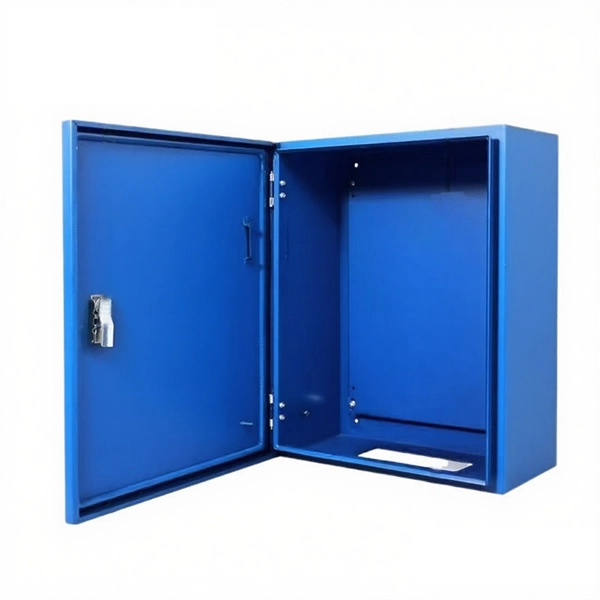
A horizontal circuit distribution box should be installed on a stable, dry, and accessible surface, with proper grounding, organized wiring, and correctly rated protection devices to ensure safety and compliance.Site Selection and Preparation

Choose a dry, ventilated, and accessible location, away from water, flammable, explosive, or corrosive substances, and at a convenient height (typically around 1.5 meters) for maintenance and inspection . Ensure the installation surface is stable and capable of supporting the box's weight. For industrial or outdoor environments, select a box with appropriate IP or NEMA ratings to protect against dust, moisture, and UV exposure .

Mounting the Distribution Box
  1. Align the box on the installation surface and mark the positions for expansion bolts or screws.
  2. Secure the box using appropriate fasteners, ensuring it is level, stable, and free from tilt or looseness .
  3. For wall-mounted horizontal boxes, ensure the mounting surface can support the box and its internal components.
Wiring and Circuit Connections
  1. Prepare incoming and outgoing lines according to the load:
    • Single-phase 220V: one phase, one neutral, one ground.
    • Three-phase 380V: three phases, one neutral, one ground.
    • Special equipment (e.g., two-phase welding machines) may require customized connections .
  2. Strip insulation from wires to the appropriate length and connect them to designated terminals: line to line, neutral to neutral, and ground to ground, following color coding standards .
  3. Install circuit breakers, fuses, or RCBOs for each circuit according to load requirements, ensuring correct ratings to prevent overloads or short circuits .
  4. Organize internal wiring neatly using cable ties, leaving space for heat dissipation and avoiding contact with sharp edges .
Grounding and Safety
  • Connect the ground wire securely to the grounding terminal block.
  • Verify all connections are tight to prevent sparks, voltage drops, or fire hazards .
  • Include surge protection devices if the system is exposed to unstable power or lightning-prone areas .
Testing and Verification
  1. Power off the main supply before installation and use a multimeter or insulation resistance tester to confirm no live voltage .
  2. After wiring, perform insulation resistance tests and circuit on/off tests to ensure proper operation .
  3. Verify that all components (breakers, fuses) are correctly rated and functioning.
Labeling and Maintenance
  • Label each circuit clearly for future maintenance and troubleshooting .
  • Schedule regular inspections to check for corrosion, water ingress, or loose connections .
  • Consider modular designs for easier upgrades and replacements. By following these steps, a horizontal circuit distribution box can be installed safely, efficiently, and in compliance with electrical standards such as NEC, IEC, or local codes .
Installation Method of Horizontal Circuit Distribution Box

How to Install a Cable Distribution Box Safely and Correctly?

Understanding Cable Distribution Boxes A cable distribution box is an electrical device used to collect, distribute, and

Related Video Reference

This video was associated with the source search result. Verify technical details against current product documentation and project requirements.

Technical note

This reference is intended for preliminary ODN and passive infrastructure research. Topology, split ratio, box or cabinet capacity, closure rating, cable type, test limits and applicable standards must be verified for the specific project.

Still Have a Technical Question?

Use the inquiry form to describe an ODN network, passive component or distribution box question.

Start an Inquiry