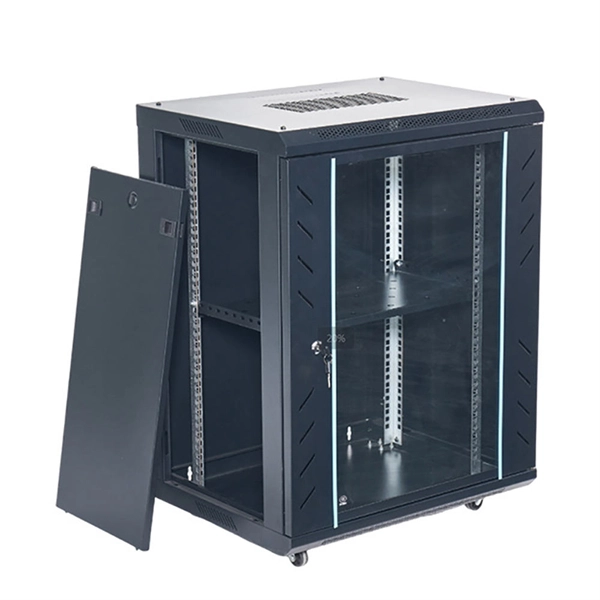
Terminal boxes, also known as trackside connection boxes or Dis Boxes, are protective enclosures used to safely terminate, connect, and manage railway signalling and power cables.Purpose and Function
Terminal boxes are essential for the safe and efficient operation of railway signalling systems. They protect critical electrical components, facilitate the control of signals, and ensure the reliability and safety of rail transport. They serve as interconnection points between signalling equipment, trackside devices, and lineside infrastructure, allowing for cable extensions, changeovers, and secure terminations without compromising system integrity .
Design and Construction
Railway terminal boxes are engineered to withstand harsh environmental conditions, including extreme temperatures, moisture, vibration, and mechanical stress. They are typically manufactured from GRP, stainless steel, or mild steel, and can be compression-moulded for durability and consistency . Key design features include:
- High IP ratings for protection against water, dust, and contaminants.
- Robust construction to endure trackside vibrations and operational stress.
- Flexible internal configuration with multiple terminal sizes and layouts.
- Compliance with railway standards such as Network Rail specifications and PADs approval .
Types and Configurations
Terminal boxes come in various forms depending on their application:
- Trackside Connection Boxes (Dis Boxes/TCBs): Used for signalling, axle counters, level crossings, and lineside equipment. They can be mounted on posts, walls, or concrete bases .
- Combined Cable Termination Boxes (CCTBs): Provide interconnection facilities where cable lengths exceed standard limits, often installed adjacent to tracks or in tunnels. They include disconnect terminals, feed-through terminals, and DIN rail-mounted racks for organized cable management .
- Custom Enclosures: Modular cabinets for traffic control, power, lighting, and tunnel installations, including vandal-proof and suction-proof designs .
Installation and Safety Considerations
Terminal boxes are installed adjacent to tracks, on posts, walls, or in tunnels, with careful attention to maintainability and safety. Best practices include minimizing cable joints, using approved jointing methods, and providing spare terminals for future expansion. Placement avoids platform inverts to reduce risk to maintainers during fault-finding or maintenance .
Advantages
- Durability and longevity in extreme trackside environments.
- Ease of installation and maintenance with configurable mounting options.
- Enhanced safety for both electrical systems and personnel.
- Customizable solutions for specific voltage, current, and environmental requirements . Terminal boxes are therefore a critical component of railway infrastructure, ensuring reliable signal operation, safe cable management, and compliance with stringent rail standards.